Supplements Guide Articles
The Complete Beginner's Guide to Whey Protein
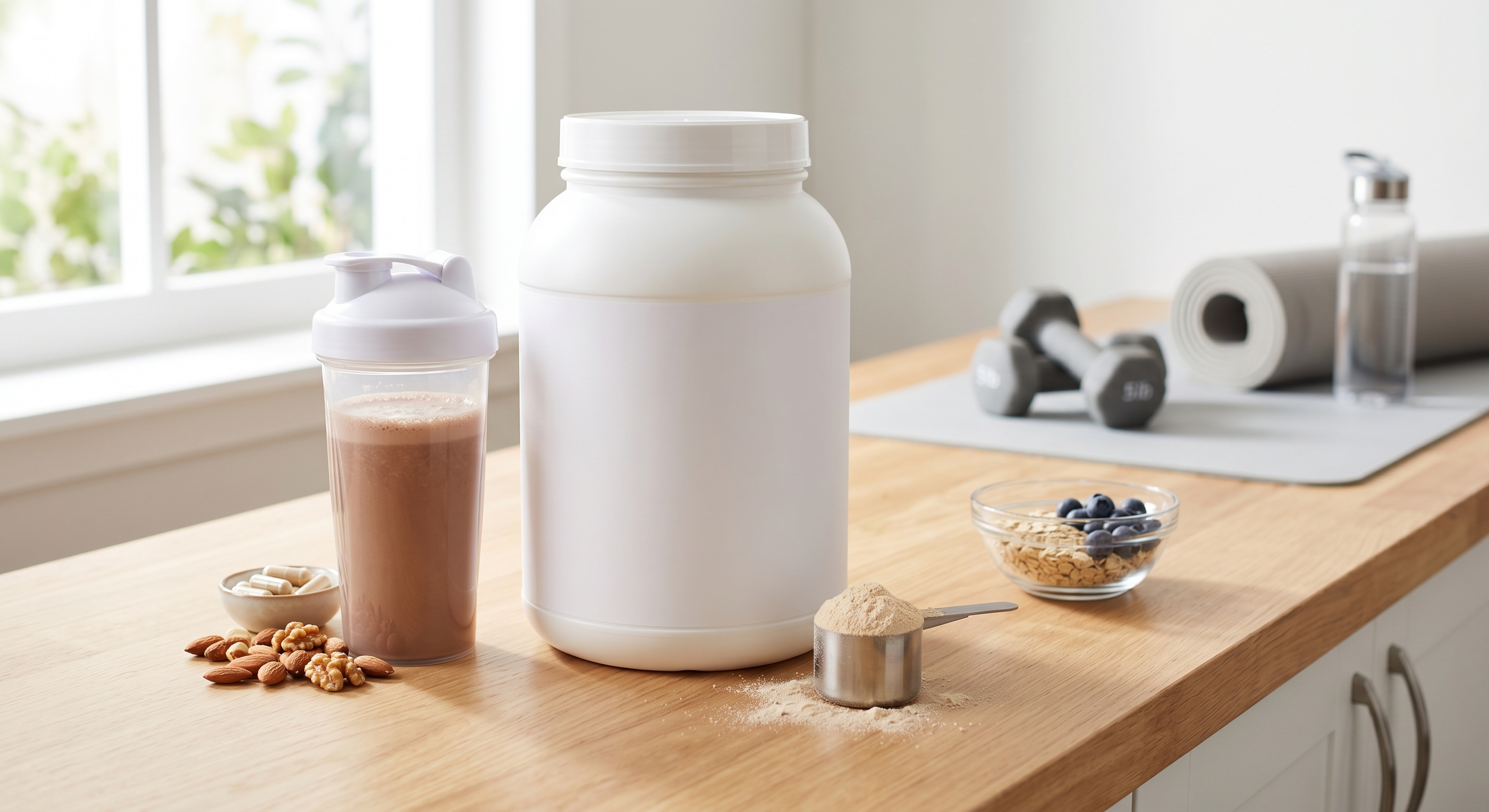
Whey protein is the most popular sports supplement in the world, and for good
reason. Derived from cow's milk during the cheese-making process, whey provides a complete amino acid
profile that's rapidly absorbed by the body — making it ideal for post-workout recovery. In this guide,
we break down the three main types of whey: concentrate, isolate and hydrolysate. Each has distinct
advantages depending on your dietary needs and budget. Whey concentrate is the most affordable option,
containing around 70-80% protein with moderate amounts of lactose and fat. Whey isolate undergoes
further processing to remove most of the fat and lactose, delivering 90%+ protein content per serving —
perfect for those who are lactose-sensitive or cutting calories. Hydrolysate is the most rapidly
digested form, with pre-broken peptides for maximum absorption speed.
Whey protein is the most popular sports supplement in the world, and for good
reason. Derived from cow's milk during the cheese-making process, whey provides a complete amino acid
profile that's rapidly absorbed by the body — making it ideal for post-workout recovery. In this guide,
we break down the three main types of whey: concentrate, isolate and hydrolysate. Each has distinct
advantages depending on your dietary needs and budget. Whey concentrate is the most affordable option,
containing around 70-80% protein with moderate amounts of lactose and fat. Whey isolate undergoes
further processing to remove most of the fat and lactose, delivering 90%+ protein content per serving —
perfect for those who are lactose-sensitive or cutting calories. Hydrolysate is the most rapidly
digested form, with pre-broken peptides for maximum absorption speed.
When it comes to timing, research suggests consuming whey protein within 30-60 minutes after exercise
maximises muscle protein synthesis. However, total daily protein intake is ultimately more important
than timing alone. Aim for 1.6-2.2g of protein per kg of bodyweight per day, using whey to fill gaps in
your dietary intake.
For flavour and mixability, our top picks are Optimum Nutrition's ProMax Whey Isolate (Chocolate) and
MyProtein Vegan Pea Protein for plant-based athletes. Both mix easily with water or milk and contain no
artificial sweeteners in the regular formula range.
The bottom line: whey protein is a safe, effective and evidence-backed supplement. Whether you're trying
to build muscle, maintain lean mass during a cut, or simply increase your daily protein intake, a
quality whey protein is one of the best investments you can make in your nutrition.
Pre-Workout Supplements: Everything You Need to Know
Pre-workout supplements have evolved from simple caffeine pills into
sophisticated formulas containing dozens of evidence-backed ingredients. The core components of a
quality pre-workout include caffeine (for energy and focus), beta-alanine (for endurance and reducing
muscle burn), creatine (for strength and power), L-citrulline (for blood flow and pumps), and B vitamins
(for energy metabolism). Understanding each ingredient helps you choose a product that aligns with your
training goals. Some athletes prioritise focus and mental sharpness for technical skill work; others
want maximum pump and blood flow for hypertrophy training.
Pre-workout supplements have evolved enormously over the past decade. Modern
formulations contain clinically researched doses of multiple active compounds designed to
synergistically enhance different aspects of physical performance.
Key ingredients to look for: Caffeine anhydrous (150-300mg) provides the core energy boost and is one of
the most extensively researched ergogenic aids in existence. Beta-alanine (3.2-6.4g) delays muscular
fatigue by buffering lactic acid accumulation — you may experience a harmless tingling sensation
(paraesthesia) which confirms the ingredient is active. L-citrulline (6-8g) significantly increases
blood flow and delivers the coveted pump effect. Creatine monohydrate (3-5g) improves short-duration,
high-intensity performance.
Timing matters: take your pre-workout 20-30 minutes before training. Avoid pre-workouts in the afternoon
if you train late evenings, as caffeine's half-life is 5-6 hours and may disrupt sleep.
Cycling your pre-workout — taking 4-8 week breaks — prevents tolerance build-up and maintains
effectiveness. At Rise Sport UK, our best-selling pre-workout is C4's Pre-Workout Ignite X, which
delivers 300mg caffeine alongside beta-alanine and nootropics for unbeatable focus and energy.
Creatine Monohydrate: The King of Sports Supplements
If there's one supplement that every athlete should consider, it's creatine
monohydrate. With over 1,000 published studies confirming its safety and efficacy, creatine is among the
most well-researched dietary supplements in existence. It works by increasing the phosphocreatine stores
in your muscles, allowing for faster ATP regeneration during high-intensity activities. The practical
result: more strength, more power, more reps, and greater muscle volumisation. Creatine monohydrate is
the most bioavailable and cost-effective form available.
Creatine monohydrate deserves its reputation as the king of sports supplements.
The research is unambiguous: regular creatine supplementation increases maximal strength by 5-15%,
improves high-intensity exercise capacity by 10-20%, and leads to greater lean muscle gains over time
compared to training without supplementation.
How to take it: The simplest protocol is 3-5g per day, every day. You don't need to load (taking 20g/day
for a week), though loading does accelerate the initial saturation of muscle creatine stores.
Consistency matters more than timing — take it at any point in the day that's convenient for you.
Who should take creatine? Nearly everyone who engages in resistance training or high-intensity sports.
Vegetarians and vegans benefit particularly strongly, as creatine is found primarily in meat and their
baseline muscle creatine stores tend to be lower.
Common myths debunked: Creatine does not cause kidney damage in healthy individuals. The water retention
associated with creatine use is intracellular (inside muscle cells), meaning it actually contributes to
muscle cell volumisation. MuscleTech's Creatine Monohydrate is our best-seller in this category, with a
4.9-star rating from 478 customer reviews.
Gain and Loss Tips Articles
The Science of Muscle Hypertrophy: A Practical Guide
Muscle hypertrophy — the process of muscle cells growing larger — is driven
by three primary mechanisms: mechanical tension, metabolic stress, and muscle damage. Understanding
these mechanisms helps you structure your training and nutrition to maximise results. Progressive
overload (gradually increasing resistance over time) is the cornerstone of any effective muscle-building
programme. Without consistently challenging your muscles with greater loads or volumes, growth stalls.
The optimal rep range for hypertrophy is 6-20 reps per set, with most research pointing to 8-15 as the
sweet spot for the majority of training sessions.
Building muscle effectively requires a combination of smart training, optimal
nutrition and adequate recovery. The three mechanisms of hypertrophy — mechanical tension, metabolic
stress, and muscle damage — each contribute uniquely to the growth stimulus.
From a nutrition standpoint, you need a caloric surplus of approximately 200-500 calories per day above
your maintenance intake. Combined with a protein intake of 1.6-2.2g per kg bodyweight, this provides the
raw materials for muscle protein synthesis. Protein quality matters: sources that are complete
(containing all essential amino acids) and rapidly digested are optimal post-workout.
Key supplements for muscle gain: Whey protein isolate provides a fast-absorbing complete protein ideal
for post-workout. Creatine monohydrate is the single most evidence-supported muscle-building supplement
available. Mass gainers like Dymatize's Mass Gainer Pro 3000 are excellent for hardgainers who struggle
to eat enough whole food calories.
Training structure for hypertrophy: Aim for 10-20 sets per muscle group per week, distributed across 2-3
sessions. Include both compound (bench press, squats, deadlifts) and isolation (curls, lateral raises,
flyes) exercises. Progressive overload is non-negotiable — track your lifts and aim to improve
consistently.
Sustainable Fat Loss: Myth vs Science
The diet industry is filled with misleading claims and fad approaches that
promise rapid fat loss but deliver only short-term results at the cost of muscle mass and metabolic
health. In this article, we cut through the noise with evidence-based strategies for sustainable,
long-term fat loss. The fundamental principle is a caloric deficit — consuming fewer calories than you
expend. However, the rate at which you create that deficit, and the composition of your diet, profoundly
affects outcomes. Too aggressive a deficit leads to muscle loss, hormonal disruption and eventual
rebound weight gain.
Sustainable fat loss requires a modest caloric deficit (300-500 calories below
maintenance), high protein intake to preserve muscle mass, and patience. Rapid weight loss approaches
consistently show poor long-term outcomes due to muscle catabolism and metabolic adaptation.
Protein's role in fat loss: A high protein intake (2.0-2.4g/kg bodyweight during a cut) is critical for
muscle preservation. Protein also has a higher thermic effect than carbohydrates or fat, meaning your
body burns more calories digesting it. Additionally, protein is the most satiating macronutrient,
helping control appetite.
Supplements that support fat loss: Thermogenic fat burners like BSN's ThermoFire Burner can provide a
modest metabolic boost through ingredients like green tea extract, caffeine and cayenne. Omega-3 fatty
acids (Solgar's Fish Oil) improve insulin sensitivity and support a healthy inflammatory response.
L-carnitine supports fatty acid transport into mitochondria for energy.
The most effective supplement for fat loss? Protein. Period. Adequate protein intake is more impactful
on body composition than any thermogenic or fat burner. Pair it with a structured training programme and
a reasonable caloric deficit for the best results.
Optimising Recovery: Sleep, Nutrition and Supplements
Training breaks your muscles down. Recovery builds them back up stronger. Yet
recovery is consistently the most neglected aspect of most athletes' programmes. Sleep is the most
powerful recovery tool available — during deep sleep, growth hormone secretion peaks, muscle protein
synthesis accelerates and neural fatigue dissipates. Aim for 7-9 hours per night in a cool, dark room.
Nutrition timing also plays a role: consuming a protein-rich meal or shake within 2 hours post-workout
significantly improves recovery compared to delaying nutrition.
Recovery optimisation encompasses sleep, nutrition, stress management and
targeted supplementation. Each element is synergistic — neglecting any one undermines the effectiveness
of the others.
Sleep: 7-9 hours is the evidence-based recommendation for athletes. Consistency (same bed and wake
times) regulates circadian rhythm and optimises hormonal secretion. Keep your room cool (16-19°C), dark
and free from blue light for 60 minutes before bed.
Nutrition: Carbohydrate-protein combinations post-workout enhance glycogen resynthesis and muscle
repair. A typical recovery meal might include 30-40g protein (whey shake or chicken) with 50-80g
carbohydrates (rice, oats or fruit) within 2 hours of training.
Key recovery supplements: BCAA 8:1:1 (MyProtein) reduces muscle soreness and prevents muscle breakdown
during intense training phases. ZMA (Optimum Nutrition) supports deep sleep quality, testosterone
maintenance and zinc-mediated immune function. Glutamine powder (Dymatize) supports gut integrity and
may reduce DOMS. Collagen peptides (Solgar) are particularly beneficial for connective tissue repair in
high-impact sports athletes.
High Protein Recipes Articles
High-Protein Overnight Oats: 5 Delicious Variations
Overnight oats are a meal-prep staple for busy athletes — high in complex
carbohydrates, fibre and, when made with protein powder, an impressive protein content. The base recipe
is simple: combine 80g rolled oats, 250ml milk (or plant milk), 1 scoop whey protein, 1 tablespoon nut
butter and a pinch of salt in a jar. Refrigerate overnight. In the morning, add toppings and enjoy. Here
are five high-protein variations that keep meal prep interesting. Chocolate Peanut Butter (add 1 tbsp
cocoa powder, top with banana and peanuts). Vanilla Berry (use vanilla whey, top with mixed berries and
honey).
High-Protein Overnight Oats are one of the best performance breakfasts you can
make. Here's the master recipe and five variations:
BASE RECIPE (serves 1, ~45g protein): 80g rolled oats, 250ml semi-skimmed milk, 1 scoop ProMax Whey
Isolate (Chocolate), 1 tbsp almond butter, 1 tsp chia seeds, pinch of salt. Combine all ingredients in a
mason jar, stir well, seal and refrigerate overnight.
VARIATION 1 — CHOCOLATE PEANUT BUTTER: Add 1 tbsp cocoa powder to base. Top with sliced banana, 1 tbsp
peanut butter, and a sprinkle of cacao nibs. Macros: 52g protein, 68g carbs, 22g fat.
VARIATION 2 — VANILLA BERRY CRUMBLE: Use Vanilla Whey. Top with mixed berries, granola and a drizzle of
honey. Macros: 47g protein, 72g carbs, 16g fat.
VARIATION 3 — MANGO COCONUT: Use unflavoured whey, add 100ml coconut milk. Top with diced mango and
toasted coconut flakes. Macros: 44g protein, 70g carbs, 18g fat.
VARIATION 4 — COFFEE CRUNCH: Add 1 shot cooled espresso to base. Top with dark chocolate chips and
chopped almonds. Macros: 48g protein, 64g carbs, 20g fat.
VARIATION 5 — STRAWBERRY CHEESECAKE: Use Vanilla Whey, add 2 tbsp low-fat cream cheese. Top with sliced
strawberries and crushed digestive biscuits. Macros: 50g protein, 66g carbs, 14g fat.
Protein Pancakes: Fluffy, High-Protein Breakfast
Protein pancakes have come a long way from the dense, rubbery discs of early
protein cooking. With the right technique and quality protein powder, you can make genuinely fluffy,
delicious pancakes that rival traditional recipes but deliver 35-40g of protein per serving. The secret
is in the ratio: too much protein powder makes pancakes dense and dry, while the right balance with oat
flour creates the perfect texture. This recipe uses a blend of oat flour and whey protein for optimal
flavour and macros.
PROTEIN PANCAKES RECIPE (serves 2, ~38g protein per serving):
INGREDIENTS: 120g oat flour (blend rolled oats), 2 scoops Vanilla Whey Protein (60g), 2 large eggs,
200ml milk, 1 tsp baking powder, 1/2 tsp vanilla extract, pinch of salt, coconut oil for cooking.
METHOD: Whisk eggs and milk together. Combine dry ingredients (oat flour, protein powder, baking powder,
salt) in a bowl. Pour wet into dry and mix until just combined — do not overmix. Heat a non-stick pan
over medium heat with a little coconut oil. Pour 1/4 cup batter per pancake. Cook 2-3 minutes until
bubbles form, flip and cook 1-2 minutes more.
TOPPING IDEAS: Fresh berries with 0% Greek yogurt and honey (add 8g protein). Peanut butter with banana
slices (add 8g protein). Dark chocolate chips with almond butter (add 6g protein).
MACROS (plain, per 2-pancake serving): 38g protein, 45g carbs, 9g fat, 410 kcal.
TIPS: Rest batter for 5 minutes before cooking for fluffier results. Don't press down on pancakes while
cooking. Use a wide spatula to flip confidently. Batter keeps in the fridge for 24 hours — perfect for
meal prep.
Post-Workout Protein Smoothie Bowl: 6 Recipes
Smoothie bowls have become a staple of the performance nutrition scene,
combining the convenience of a liquid meal with the satiety of solid food thanks to their thick
consistency and toppings. Unlike drinkable smoothies, smoothie bowls use frozen fruit as the base,
blended with minimal liquid, to achieve a thick, ice-cream-like texture that can support a variety of
toppings. Each bowl contains 30-45g protein, making them ideal for post-workout recovery or a
nutrient-dense breakfast.
SMOOTHIE BOWL BASE TECHNIQUE: Use 200g frozen fruit (banana, mango, berries), 1
scoop protein powder, 80-100ml liquid (just enough to blend). The less liquid you use, the thicker your
bowl. Use a high-powered blender and use the tamper to push ingredients down.
RECIPE 1 — ACAI RECOVERY BOWL: 150g frozen acai (or blueberries), 1 frozen banana, 1 scoop unflavoured
whey, 80ml coconut water. Blend thick. Top with granola, sliced kiwi, hemp seeds, and a drizzle of
honey. Macros: 34g protein, 58g carbs, 8g fat.
RECIPE 2 — TROPICAL MUSCLE BUILDER: 150g frozen mango, 100g frozen pineapple, 1 scoop Vanilla Pea
Protein, 80ml coconut milk. Top with toasted coconut, chia seeds, passion fruit. Macros: 32g protein,
62g carbs, 6g fat.
RECIPE 3 — BERRY BLAST RECOVERY: 200g mixed frozen berries, 1 scoop Chocolate Whey, 80ml almond milk.
Top with blueberries, dark chocolate shavings, almond butter. Macros: 36g protein, 48g carbs, 14g fat.
The key to great smoothie bowls is a powerful blender and the willingness to use less liquid than feels
comfortable. The thick texture is what makes them satisfying as a meal.
Company News Articles
Rise Sport UK Launches New Leeds Store Experience
We're thrilled to announce the completion of our flagship store renovation at
The Chel Centre, 34 Roundhay Rd, Leeds. After six weeks of construction, our retail space has been
transformed into a premium sports nutrition experience centre, featuring interactive product displays, a
consultation zone for one-to-one nutrition advice sessions, and an in-store tasting bar where customers
can sample products before purchasing. The renovation reflects our commitment to providing not just
great products, but an exceptional retail experience for the Leeds fitness community.
The Rise Sport UK flagship store at The Chel Centre has undergone a complete
transformation, and we couldn't be more excited to share it with our Leeds community.
The new store features: A premium product display zone with over 100 products from our eight partner
brands, organised by category and goal. An interactive consultation corner staffed by our resident
nutritionist, Adelaide Kensington, available Wednesday-Saturday. A tasting bar where you can try
flavours of protein powders, pre-workouts and RTD shakes before committing to a full tub. A recovery
lounge where you can discuss training and nutrition goals in a relaxed environment.
For online customers: Don't worry — our online store continues to operate exactly as before, with the
same fast delivery, competitive pricing, and customer service you've come to rely on. The store
renovation has no impact on our online operations.
Visit us: The Chel Centre, 34 Roundhay Rd, Leeds LS7 1AB. Monday-Friday 9am-6pm, Saturday 10am-4pm. Call
ahead for a consultation appointment: +44 113 496 3728.
Rise Sport UK Now Official UK Distributor for Scitec Nutrition
We are delighted to announce that Rise Sport UK has been appointed as an
official authorised UK distributor for Scitec Nutrition, one of Europe's most respected sports nutrition
brands. Scitec Nutrition, founded in 1996 and headquartered in Hungary, produces over 150 products sold
in 90 countries worldwide. Their range includes premium whey proteins, mass gainers, amino acids,
pre-workouts and vitamins. From May 2025, Rise Sport UK customers can access the full Scitec Nutrition
range with the assurance of complete product authenticity.
This partnership represents a significant milestone for Rise Sport UK. As an
official distributor, we can now offer the complete Scitec Nutrition catalogue at competitive prices,
with full brand warranty and authenticity guarantees.
Our initial Scitec Nutrition range includes: 100% Whey Protein Professional, Jumbo Mass Gainer, BCAA
Xpress Amino Acids, Hot Blood Hardcore Pre-Workout, and Vita Greens Multivitamin. Additional products
will be added to our catalogue over the coming months.
Why Scitec Nutrition? The brand is renowned for using clinically researched doses of active ingredients,
maintaining exceptional quality control standards, and offering exceptional value compared to premium US
brands. Their flavour range is extensive and consistently rated highly for taste and mixability.
To celebrate this partnership, we're offering 15% off all Scitec Nutrition products throughout May 2025.
No code needed — discount automatically applied at checkout.
Summer Sale 2025 Announcement: Up to 40% Off
Our biggest sale of the year is here. The Rise Sport UK Summer Sale 2025 runs
from 1 June to 31 August, offering up to 40% off hundreds of products across all categories. This year's
sale includes our largest ever selection of discounted items, with particularly strong deals on protein
powders, pre-workouts and amino acids. Newsletter subscribers will receive early access 48 hours before
the sale goes public — sign up now if you haven't already. Use code RISE10 at checkout for an additional
10% off all sale items.
The Summer Sale 2025 is our most ambitious promotional event yet. Here's what
you need to know:
DATES: 1 June - 31 August 2025 (while stocks last)
WHAT'S ON SALE: Protein powders (up to 35% off), Pre-workouts (up to 40% off), Amino acids and BCAAs (up
to 30% off), Creatine products (up to 25% off), Vitamins and health supplements (up to 20% off)
EARLY ACCESS: Newsletter subscribers get access 48 hours early. Sign up on our homepage.
ADDITIONAL DISCOUNT: Use code RISE10 for an extra 10% off all sale items. Maximum one use per customer.
NEWSLETTER DISCOUNT: Don't forget — if you're subscribed to our newsletter, your automatic 5% discount
stacks with sale prices for maximum savings.
FREE DELIVERY: All orders over £50 qualify for free standard delivery during the sale period.
Questions? Contact Adelaide at risesport@atomicmail.io or call +44 113 496 3728.
Bodybuilding Articles
UK Bodybuilding Competitions 2025: Complete Calendar
The 2025 UK bodybuilding competition season is shaping up to be one of the
most exciting in recent memory, with record entries across multiple federations. Whether you're a
seasoned competitor or considering stepping on stage for the first time, this guide covers the key
events and competitions across UKBFF, NABBA, and NPC UK. The season traditionally kicks off in spring
with regional qualifiers, building toward the national championships in autumn. We've compiled the most
important dates, venues and entry requirements for the 2025 calendar.
2025 UK COMPETITION CALENDAR HIGHLIGHTS:
UKBFF (UK Bodybuilding and Fitness Federation):
- April: Scottish Regional Championships, Edinburgh
- May: Northern Regional Championships, Manchester
- June: Midlands Regional Championships, Birmingham
- September: UKBFF British Championships, Coventry
NABBA (National Amateur Bodybuilders' Association):
- March: NABBA Northern Ireland Championships
- May: NABBA North West Championships
- July: NABBA Midlands Championships
- October: NABBA Universe — The World's Oldest Bodybuilding Contest
NPC UK:
- Multiple sanctioned shows throughout the year, primarily in London and the South East
PREP TIMELINE: Most competitors begin dedicated contest prep 16-20 weeks out from their target show.
This involves a structured cut phase (caloric deficit, high protein), increased cardio volume, and peak
week protocols (carbohydrate manipulation, water management).
NUTRITION DURING PREP: Rise Sport UK offers a complete contest prep supplement stack including Whey
Isolate, BCAAs, Creatine, ZMA for sleep during heavy training, and Omega-3 for joint support. Contact
our team for a personalised prep supplement consultation.
Peak Week Protocols: How to Look Your Best on Stage
Peak week — the final 7 days before a bodybuilding competition — is where
months of hard work come together or fall apart. The goal is to maximise muscle fullness and definition
while minimising subcutaneous water retention to create the sharpest possible physique. Peak week
protocols typically involve manipulating carbohydrates, sodium, water intake and training volume. While
the specifics vary between competitors, there are evidence-supported principles that apply broadly.
Carbohydrate loading in the final 2-3 days significantly increases muscle glycogen, creating fuller,
rounder muscles.
Peak week is highly individual, and what works brilliantly for one competitor
can backfire for another. The safest approach, especially for first-time competitors, is to keep changes
minimal and trust in the months of preparation.
DAYS 7-4 OUT: Continue training normally but begin increasing carbohydrate intake slightly to start
refilling muscle glycogen depleted during contest prep. Reduce sodium intake moderately (not
drastically). Maintain high water intake.
DAYS 3-1 OUT: Implement carbohydrate loading — increase carbs to 2-3x your normal intake, focusing on
easily digestible sources (white rice, fruit, sweet potato). Continue drinking 4-6 litres of water daily
until the day before. This counterintuitively helps flush subcutaneous water.
DAY BEFORE: Moderate reduction in water intake. Continue carb loading. Avoid high-fibre foods that cause
bloating. Backstage pumping exercise determines final appearance.
SUPPLEMENTS DURING PEAK WEEK: Continue creatine throughout. ZMA for sleep quality. Vitamin C for
cortisol management. Avoid diuretics unless prescribed by a physician.
The most important advice: practice your peak week protocol in a non-competition week beforehand to
understand how your body responds.
Natural vs Enhanced Bodybuilding: The Real Conversation
The bodybuilding world has always grappled with the question of natural
versus enhanced competition, but the conversation has become increasingly sophisticated — and
increasingly important — in the social media age. With physiques that were once achievable only with
pharmacological assistance being presented as attainable through specific training protocols and
supplement stacks, it's critical that athletes have an honest understanding of what is and isn't
achievable naturally. This article doesn't promote any position on enhancement; it simply aims to
provide realistic expectations for natural athletes based on available research.
The natural bodybuilding ceiling is real, but it's higher than many beginners
believe, and lower than many social media influencers imply. Understanding your actual genetic potential
helps you set realistic goals and avoid unnecessary frustration.
NATURAL MUSCLE BUILDING RATES (Research-Based):
- Beginner (0-1 year): 0.9-1.1kg of muscle per month
- Intermediate (1-3 years): 0.45-0.9kg per month
- Advanced (3-5 years): 0.2-0.45kg per month
- Elite (5+ years): 0.1-0.2kg per month
These rates assume optimal training, nutrition and recovery. Most people fall below these figures.
NATTY INDICATORS: Drug-tested federations (INBA, WNBF, UKDFBA) provide competitive environments where
natural athletes compete against comparable physiques. These shows are genuinely inspiring because the
physiques represent what's achievable without pharmacological assistance.
WHAT SUPPLEMENTS CAN DO: Quality natural supplementation — particularly creatine, whey protein,
caffeine, and BCAAs — can help you approach your natural genetic ceiling more efficiently. They don't
dramatically alter what's possible, but they help you build muscle faster, train harder, and recover
better within your natural limits.
Rise Sport UK supports natural sport and stocks a full range of certified-natural supplements suitable
for tested athletes.